Sunday Service: How to Make Your Daily Driver Last 200,000+ Miles
Extending The Life Of Your Vehicle
If you rely on your car or truck every day, the best “mod” you can make is keeping it on the road longer. With the right maintenance and a few smart habits, most modern vehicles can easily go well past 200,000 Miles without becoming a headache. Here’s how to stack the odds in your favor.
1. Follow a Real Maintenance Schedule (Not Just “When It Breaks”)
- Oil Changes: Use the correct oil type and interval for your engine—don’t guess. Many modern vehicles can go 5,000–7,500 miles on synthetic, but always follow the owner’s manual or your trusted shop’s recommendation.
- Fluids: Transmission, coolant, brake fluid, power steering, and differentials all have service intervals. As a general rule:
- Transmission fluid: Often every 30,000–60,000 miles.
- Coolant: Commonly every 5 years or 60,000–100,000 miles.
- Brake fluid: About every 2–3 years.
- Differentials/transfer case: Often every 30,000–60,000 miles.
- Filters: Air, cabin, and fuel filters keep dirt out of critical systems and help everything run efficiently. Air and cabin filters are often checked every oil change and replaced around 15,000–30,000 miles, depending on conditions.
2. Don’t Ignore Small Noises and Warning Lights
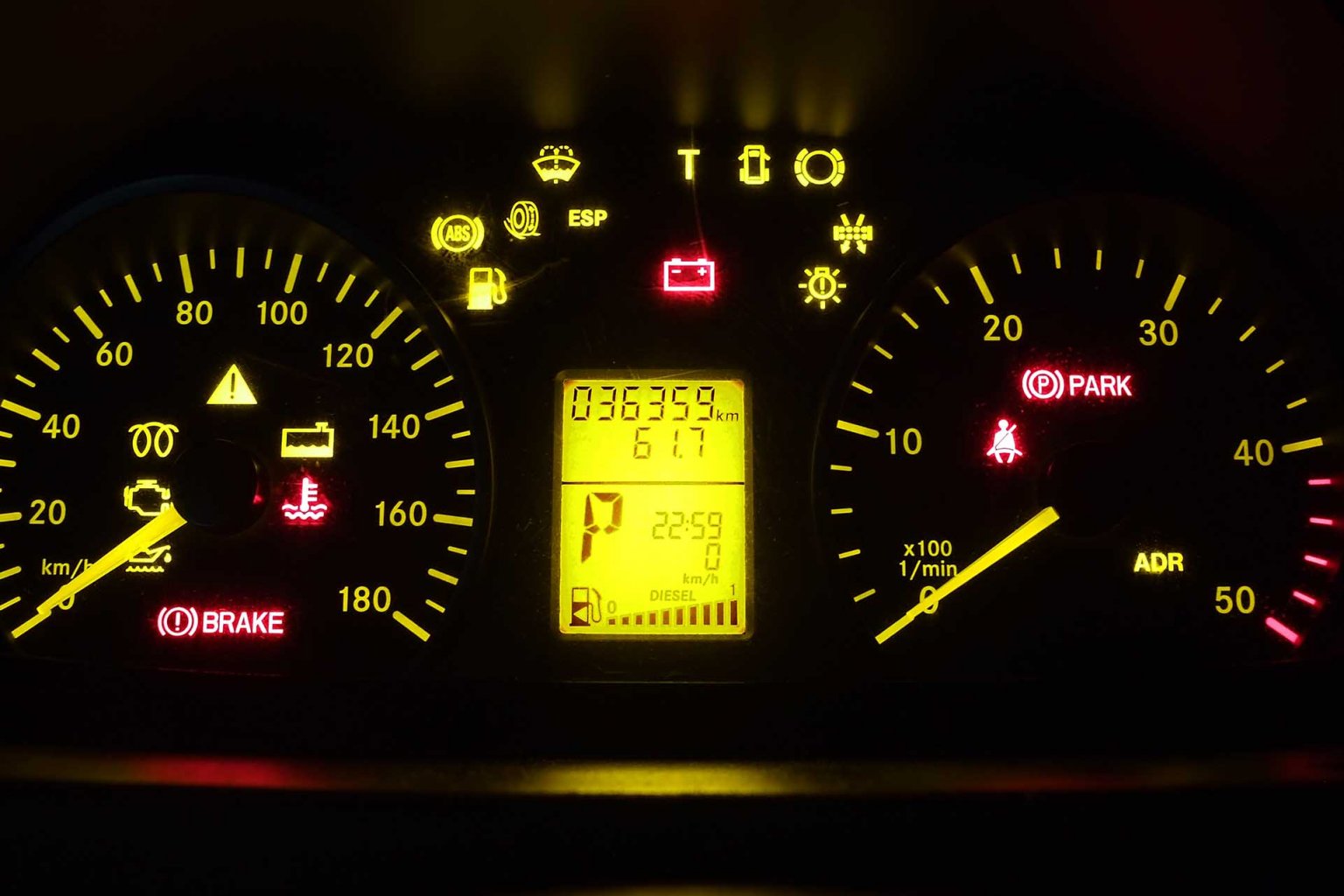
- Check Engine Light: A minor issue today can become a major repair tomorrow if ignored. If it is steady, schedule a visit soon; if it is flashing, it needs immediate attention.
- Noises: Squeaks, clunks, grinding, or whining are your vehicle’s way of asking for help. If a new noise appears and stays for more than a day or two, it is time to have it checked.
- Vibration Or Pulling: Often a sign of tire, alignment, or suspension issues that will wear other parts out faster. If the steering wheel starts to shake or the vehicle pulls to one side, get it inspected as soon as possible.
3. Take Care of Your Suspension, Steering, and Alignment
- Alignment: A proper alignment protects your tires and suspension and keeps the vehicle tracking straight. A good rule of thumb is to check alignment at least once a year, or any time you:
- Hit a major pothole or curb.
- Notice the vehicle pulling to one side.
- Install new tires or suspension components.
- Suspension Components: Worn ball joints, tie rods, and bushings do not just affect ride quality—they can become safety issues. Many components last 80,000–120,000 miles, but rough roads, heavy loads, or lifted vehicles can wear them out sooner. Have them inspected at least once a year or any time you hear clunks or feel looseness in the steering.
- Tires: Rotate regularly (every 5,000–7,500 miles) and keep them properly inflated to reduce stress on the entire chassis and extend tire life.
4. Keep It Clean—Inside, Outside, and Underneath
- Wash And Protect: Regular washes and protection (wax or ceramic coating) help prevent rust and paint damage. Aim to wash at least once a month, and more often in winter or after driving on salted or gravel roads.
- Undercarriage: Especially important if you drive on gravel, salted roads, or near the lake—cleaning underneath a few times a year helps frames and brake lines last.
- Interior: A clean interior does not just look good—it keeps switches, seats, and electronics from wearing out prematurely. A quick clean every few weeks and a deeper detail a few times a year goes a long way.
5. Drive Like You Want It to Last
- Warm-Up: Avoid hard acceleration on a cold engine; give it a few minutes of gentle driving, especially in cold weather.
- Braking: Smooth braking reduces wear on pads, rotors, and suspension components. If you are replacing brakes more often than every 30,000–50,000 miles, your driving style or setup might need a look.
- Load And Towing: Do not overload the vehicle or tow more than it is rated for—this shortens the life of engines, transmissions, and brakes. If you tow frequently, consider more frequent fluid changes (especially transmission and differential).
6. Build a Relationship with a Shop That Knows Your Vehicle
- Consistent Inspections: Having the same shop look at your vehicle regularly (for example, every oil change or at least twice a year) means problems are caught earlier.
- Service History: A complete record helps plan future maintenance instead of just reacting to breakdowns.
- Resale Value: A well-maintained vehicle with records is worth more when it is time to upgrade.
Want your daily driver to hit 200,000+ miles without constant surprise repairs? Let Torque Motorsports put together a maintenance plan tailored to your vehicle, mileage, and how you drive. Contact Torque Motorsports to schedule your next service and keep your ride going strong for the long haul.
Author: Brandon Hurst-Torque Motorsports


Comments
Post a Comment