UTV's Unleashed: All About Side-By-Sides
The Ultimate Guide to UTVs: Types, Comparisons, and Choosing the Right One
Utility Task Vehicles (UTVs)—also known as side-by-sides—have exploded in popularity for work, play, and everything in between. Whether you’re tackling tough terrain, hauling gear, or just looking for off-road excitement, there’s a UTV built for your needs. Here’s what you need to know before you buy or upgrade.

What is a UTV?
- UTV stands for Utility Task Vehicle (sometimes called Utility Terrain Vehicle or side-by-side).
- Designed for two or more passengers sitting side by side (hence the nickname).
- Features a steering wheel, foot pedals, roll cage, and cargo bed—unlike ATVs (All-Terrain Vehicles), which use handlebars and typically seat one rider.
Main Types of UTVs
- Utility UTVs: Built for work—think farming, ranching, landscaping, or hunting. Focused on hauling, towing, and durability. Examples: Polaris Ranger, Honda Pioneer.
- Sport UTVs: Engineered for speed, handling, and off-road thrills. High horsepower, long-travel suspension, and aggressive styling. Examples: Can-Am Maverick X3, Polaris RZR.
- Recreational UTVs: Blend of utility and sport—comfortable for trail riding, camping, and family outings. Balanced performance and practicality. Examples: Yamaha Wolverine, Kawasaki Teryx.
- Specialty UTVs: Designed for specific tasks like sand dunes, mud, or rock crawling. May include 6x6 models, amphibious units, or models with extra seating.


Key Features to Compare
- Engine Size & Power: Ranges from 400cc to 1000cc+; bigger engines mean more speed and towing, but also higher cost.
- Suspension: Sport models offer long-travel suspension for rough terrain, while utility models focus on payload and stability.
- Seating: 2, 4, or even 6-passenger options. Consider your crew size and comfort.
- Cargo & Towing: Utility UTVs often have larger beds and higher towing capacities.
- Drive System: 2WD, 4WD, and locking differentials for different terrains and uses.
- Accessories: Winches, roof/cab kits, lighting, sound systems, and more can be added for customization.
Popular UTV Brands & Models
- Polaris: Ranger (utility), RZR (sport), General (recreational)
- Can-Am: Defender (utility), Maverick (sport)
- Honda: Pioneer (utility/recreational), Talon (sport)
- Yamaha: Viking (utility), Wolverine (recreational), YXZ (sport)
- Kawasaki: Mule (utility), Teryx (recreational/sport)
UTV vs. ATV: What’s the Difference?
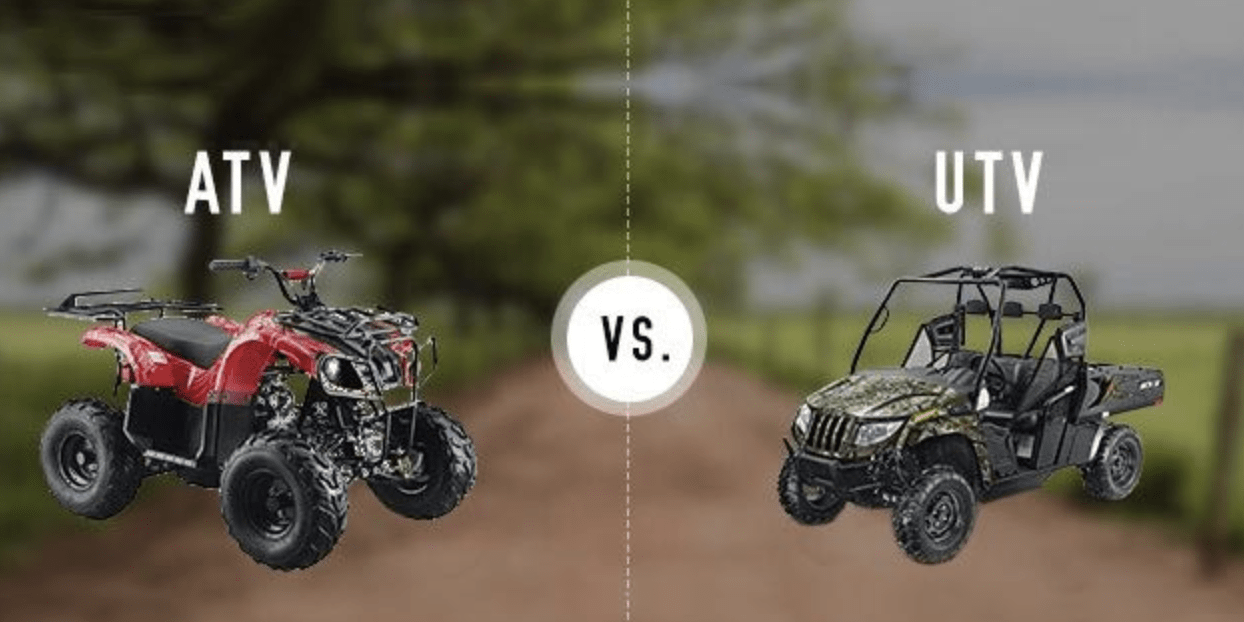
- UTVs: Side-by-side seating, steering wheel, roll cage, larger cargo capacity, more passengers, generally safer for rough work or family use.
- ATVs: Straddle seating, handlebars, typically single rider, lighter and more agile, better for solo trail riding or tight spaces.
How to Choose the Right UTV
- Define your main use: work, play, or both?
- Consider passenger needs and comfort.
- Evaluate terrain: trails, mud, dunes, or job site?
- Set a realistic budget—including accessories and maintenance.
- Test drive different models and ask about service, warranty, and parts availability.
Ready to explore UTVs or customize your own? Contact Torque Motorsports—we’ll help you find the perfect fit for work or play!
Author: Brandon Hurst-Torque Motorsports


Comments
Post a Comment